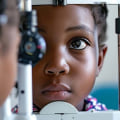
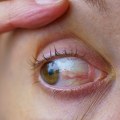
Regular eye exams are a crucial component of eye care services that significantly contribute to maintaining optimal vision health. Many people underestimate the importance of these exams, often waiting until they experience noticeable issues before seeking professional help. However, proactive eye care can prevent potential problems from escalating and ensure that your vision remains sharp throughout your life. During an eye exam, healthcare professionals can detect not only common vision problems but also serious conditions such as glaucoma, cataracts, and even systemic diseases like diabetes and hypertension. Early detection through routine check-ups allows for timely intervention, which can be vital in preserving both vision and overall health.
This is particularly important as many eye conditions develop gradually and may not present symptoms until significant damage has occurred. Moreover, regular eye exams are not just for those who wear glasses or contact lenses; they are essential for everyone, regardless of age or visual acuity. By prioritizing these appointments as part of your eye care services, you are investing in your long-term health and well-being. Understanding when to start these exams is key to ensuring that you receive the best possible care at the right time.
Recommended Age for First Eye Exam
Determining the recommended age for a child's first eye exam is crucial for ensuring their long-term vision health. According to the American Academy of Pediatrics and the American Optometric Association, children should have their first comprehensive eye exam at 6 months of age.This early assessment helps identify any potential vision problems that could affect their development.Following the initial exam, it is recommended that children receive additional eye exams at the ages of 3 years and again before they enter kindergarten. These pediatric eye exams are essential as they can detect issues such as amblyopia (lazy eye), strabismus (crossed eyes), and refractive errors that may not be apparent without professional evaluation.Regular visits to an eye care professional are vital as children grow. The Centers for Disease Control and Prevention (CDC) suggests that children aged 6 to 18 should have eye exams every 1 to 2 years , depending on their risk factors and whether they wear glasses or contact lenses.
Early detection
of vision problems through these eye care services can lead to timely interventions, which are critical for a child's learning and overall quality of life. Parents should be proactive in scheduling these appointments and monitoring their child's vision health.In summary, the recommended timeline for a child's first eye exam is:- 6 months: First comprehensive eye exam
- 3 years: Follow-up exam
- Kinder: Pre-kindergarten exam
- Ages 6-18: Every 1-2 years thereafter
Eye Exam Frequency by Age Group
Understanding the eye exam frequency recommended for different age groups is crucial for maintaining optimal vision and overall eye health.Regular visits to eye care services can help detect issues early, ensuring timely intervention.
Children (Ages 0-12)
For children, the first eye exam should occur at around 6 months of age, followed by another at 3 years, and then before they enter school (around 5-6 years). After that, children should have an eye exam every 1-2 years, depending on their vision needs and any risk factors.Teens (Ages 13-19)
During the teenage years, it is recommended that individuals have an eye exam every 1-2 years. This period often involves significant changes in vision due to growth and increased screen time, making regular check-ups essential.Adults (Ages 20-39)
For adults in their twenties and thirties, eye exams should be conducted every 2 years, unless there are specific vision problems or risk factors such as a family history of eye disease. Regular check-ups can help monitor any changes in vision and address issues like digital eye strain.Adults (Ages 40-64)
As individuals reach their forties, the risk of developing vision problems increases.It is advisable to have an eye exam every 1-2 years. This age group should be particularly vigilant about conditions such as presbyopia and glaucoma.
Seniors (Ages 65 and Older)
Seniors should have annual eye exams. At this stage, the risk of serious eye conditions such as cataracts, macular degeneration, and diabetic retinopathy rises significantly. Regular visits to eye care services can help manage these risks effectively. In summary, adhering to the recommended eye exam frequency based on age groups is vital for maintaining good vision and preventing potential issues.Always consult with your eye care professional to tailor a schedule that best suits your individual needs.
Signs That Indicate You Need an Eye Exam Sooner
Regular eye exams are crucial for maintaining optimal vision and overall eye health. However, there are specific signs of vision problems that may indicate the need for an earlier visit to an eye care professional. Recognizing these symptoms can help you take proactive steps towards your eye health.- Blurred or Distorted Vision: If you experience sudden changes in your vision, such as blurriness or distortion, it’s essential to seek urgent eye care services. These symptoms can be indicative of serious conditions like retinal detachment or glaucoma.
- Frequent Headaches: Persistent headaches, especially those that occur after prolonged screen time or reading, may signal an underlying vision issue.
An eye exam can help determine if corrective lenses are needed.
- Difficulty Seeing at Night: Struggling to see in low-light conditions can be a sign of night blindness or other vision problems. If this is a recurring issue, consult with an eye doctor.
- Eye Strain or Fatigue: Experiencing discomfort, dryness, or fatigue in your eyes after extended periods of screen use may indicate digital eye strain. Regular check-ups can provide solutions to alleviate these symptoms.
- Flashes or Floaters: The sudden appearance of flashes of light or floaters in your field of vision should not be ignored. These could be signs of retinal issues that require immediate attention.
Early detection and treatment are key to preserving your vision and preventing further complications.
Common Eye Conditions and Their Impact on Different Age Groups
Understanding common eye conditions and their impact on different age groups is crucial for effective eye care services. Various eye issues can arise at different stages of life, and regular eye exams play a vital role in early detection and management.Children and Adolescents
In younger populations, conditions such as amblyopia (lazy eye) and strabismus (crossed eyes) are prevalent. These conditions can significantly affect visual development if not addressed early. Regular eye exams are essential for identifying these issues, allowing for timely interventions that can improve visual outcomes.Adults
As individuals reach adulthood, they may experience refractive errors, such as myopia (nearsightedness) or hyperopia (farsightedness).These conditions can often be corrected with glasses or contact lenses. Additionally, adults may begin to notice the onset of presbyopia, a natural aging process that affects near vision. Regular check-ups ensure that any changes in vision are promptly addressed.
Seniors
In older adults, the risk of developing serious eye conditions increases significantly. Common issues include:- Cataracts: Clouding of the lens that can lead to blurred vision.
- Glaucoma: A group of diseases that damage the optic nerve, often associated with increased eye pressure.
- Age-related Macular Degeneration (AMD): A leading cause of vision loss in seniors, affecting central vision.
- Diabetic Retinopathy: A complication of diabetes that affects the blood vessels in the retina.
By utilizing eye care services, individuals can ensure their vision is monitored and maintained throughout their lives.
The Role of Technology in Eye Care Services
In recent years, the landscape of eye care services has been transformed by technological advancements that enhance both the accuracy and accessibility of eye exams. These innovations not only improve the quality of care but also make it easier for patients to receive timely assessments of their eye health.Technology in Eye Exams
Modern eye exams now incorporate a variety of digital tools that allow for more precise diagnostics. For instance, optical coherence tomography (OCT) provides high-resolution images of the retina, enabling eye care professionals to detect conditions like glaucoma and macular degeneration at much earlier stages than traditional methods. This early detection is crucial for effective treatment and management.Advanced Eye Care Services
The integration of artificial intelligence (AI) in eye care services is another significant advancement.AI algorithms can analyze images from eye exams to identify potential issues with remarkable accuracy. This technology not only assists eye care professionals in making informed decisions but also streamlines the examination process, reducing wait times for patients.
Digital Eye Health Tools
Furthermore, the rise of digital eye health tools, such as mobile apps and online platforms, has made it easier for individuals to monitor their eye health from home. These tools often include features like vision tests and reminders for regular check-ups, empowering patients to take an active role in their eye care.As technology continues to evolve, the future of eye care services looks promising. With ongoing innovations, regular eye exams will become even more effective and accessible, ensuring that individuals can maintain optimal eye health throughout their lives.FAQs About Eye Exams and Age Recommendations
When it comes to eye care services, many people have questions about the appropriate age to start getting regular eye exams.Here are some common inquiries and their answers:
- At what age should children have their first eye exam? It is recommended that children have their first comprehensive eye exam at 6 months of age. This initial check helps identify any potential vision issues early on.
- How often should children have eye exams? After the first exam, children should have their eyes checked at 3 years old and again before they enter school, typically around 5 or 6 years. Once they start school, annual exams are advisable.
- What about adults? Adults should have their first comprehensive eye exam by the age of 40, as this is when vision changes often begin to occur. Depending on individual risk factors and vision health, exams may be recommended every 1 to 2 years.
- Are there specific recommendations for seniors? For individuals aged 65 and older, it is crucial to have annual eye exams.
This age group is at a higher risk for conditions such as cataracts, glaucoma, and macular degeneration.
Conclusion: Prioritizing Your Eye Health at Every Age
In conclusion, prioritizing your eye health is essential at every stage of life. Regular eye exams are not just for those who wear glasses or contact lenses; they are a vital part of maintaining overall health. From childhood through adulthood, the need for eye care services evolves, making it crucial to understand when to start and how often to continue these important check-ups. For children, early detection of vision problems can significantly impact their learning and development.As they grow, routine exams help ensure that any issues are addressed promptly. Adults should also be vigilant, as many eye conditions develop without noticeable symptoms. Regular visits to an eye care professional can catch these issues early, preventing more serious complications down the line. As we age, the risk of developing conditions such as cataracts, glaucoma, and macular degeneration increases. Therefore, seniors should have more frequent eye exams to monitor their vision and overall eye health.
Key Takeaways:
- Children: Should have their first eye exam at 6 months, followed by additional exams at age 3 and before starting school.
- Adults: Should have comprehensive eye exams every two years, or annually if they have existing vision problems.
- Seniors: Should have annual eye exams to monitor for age-related conditions.