As we age, our bodies undergo a myriad of changes, and our eye health is no exception. The aging process can lead to various eye conditions, such as cataracts, glaucoma, and age-related macular degeneration (AMD), which can significantly impact our vision and overall quality of life. Understanding the relationship between aging and eye health is crucial for maintaining clear vision and preventing potential complications. Proactive eye care services play a vital role in this journey. Regular eye examinations can help detect early signs of eye diseases, allowing for timely intervention and management.
Moreover, these services provide an opportunity to discuss lifestyle changes that can enhance eye health, such as proper nutrition, UV protection, and the importance of quitting smoking. By prioritizing eye care as we age, we not only safeguard our vision but also empower ourselves to enjoy life to the fullest. Incorporating routine check-ups with eye care professionals into our healthcare regimen is essential. These specialists can offer personalized advice tailored to our unique needs as we navigate the complexities of aging. By understanding the importance of maintaining good eye health through dedicated eye care services, we can take proactive steps towards preserving our vision and enhancing our overall well-being.
Common Age-Related Eye Conditions
As we age, our eyes undergo various changes that can lead to common age-related eye conditions.Understanding these conditions is crucial for maintaining good eye health and recognizing when to seek eye care services.
Cataracts
Cataracts are one of the most prevalent age-related eye conditions, characterized by the clouding of the eye's natural lens. This condition often develops slowly and can lead to symptoms such as:- Blurred or cloudy vision
- Difficulty seeing at night
- Increased sensitivity to glare
- Fading or yellowing of colors
Macular Degeneration
Another significant concern is age-related macular degeneration (AMD), which affects the central part of the retina known as the macula. This condition can lead to:- Loss of central vision
- Difficulty recognizing faces
- Distorted or wavy lines in vision
Regular check-ups with eye care services can help monitor and manage this condition effectively.
Glaucoma
Glaucoma is often referred to as the "silent thief of sight" because it typically has no symptoms in its early stages. This condition involves damage to the optic nerve, usually due to increased intraocular pressure. Symptoms may include:- Loss of peripheral vision
- Seeing halos around lights
- Redness in the eye
Regular visits to eye care services can help ensure timely diagnosis and treatment, ultimately preserving vision and enhancing quality of life.
The Role of Nutrition in Eye Health
Maintaining good eye health as we age is significantly influenced by our nutrition. A balanced diet rich in specific nutrients can help protect our vision and reduce the risk of age-related eye diseases.Key Nutrients for Eye Health
- Vitamin A: Essential for maintaining good vision, vitamin A helps prevent night blindness and supports overall eye function. Foods rich in vitamin A include carrots, sweet potatoes, and spinach.
- Vitamin C: This powerful antioxidant helps protect the eyes from oxidative stress. Citrus fruits, strawberries, and bell peppers are excellent sources of vitamin C.
- Vitamin E: Another antioxidant that plays a crucial role in eye health, vitamin E can be found in nuts, seeds, and green leafy vegetables.
- Omega-3 Fatty Acids: These healthy fats are vital for retinal health and may help prevent dry eyes.
Fatty fish like salmon, walnuts, and flaxseeds are great sources.
- Lutein and Zeaxanthin: These carotenoids are known to filter harmful blue light and protect the retina. They are found in high amounts in kale, spinach, and other green leafy vegetables.
Incorporating Eye-Healthy Foods into Your Diet
To support your eye health, consider incorporating a variety of these nutrient-rich foods into your daily meals. For instance:
- Add a spinach salad topped with nuts and citrus dressing for a vitamin-packed lunch.
- Snack on carrot sticks or bell pepper slices with hummus for a healthy treat.
- Include fatty fish in your weekly meal plan to boost your omega-3 intake.
Supplements for Eye Health
If you find it challenging to get enough of these nutrients through diet alone, consider discussing eye care services with your healthcare provider. They may recommend specific supplements that can help fill nutritional gaps and support your vision as you age.In conclusion, prioritizing nutrition is a vital step in maintaining good eye health.
By focusing on a diet rich in essential vitamins and nutrients, you can significantly enhance your vision and overall well-being as you age.
Protective Measures Against Eye Strain
As we age, the risk of eye strain increases, particularly due to prolonged exposure to digital devices. To maintain good eye health, it is essential to adopt protective measures that can significantly reduce the effects of screen time.Implement the 20-20-20 Rule
One effective strategy for preventing eye strain is the 20-20-20 rule. This guideline suggests that for every 20 minutes spent looking at a screen, you should take a 20-second break and focus on something at least 20 feet away. This simple practice helps relax the eye muscles and reduces fatigue.Optimize Your Workspace
Creating an ergonomic workspace can also play a crucial role in minimizing eye strain.Ensure that your computer screen is positioned at eye level and about an arm's length away. Adjust the brightness and contrast settings to match your environment, and consider using anti-glare screens to reduce reflections.
Protect Against Blue Light
With the increasing use of digital devices, exposure to blue light has become a significant concern. Blue light can contribute to digital eye strain and may disrupt sleep patterns. To mitigate these effects, consider using blue light blocking glasses or screen filters.Additionally, many devices now come with built-in blue light reduction settings that can be activated during evening hours.
Take Regular Breaks
Incorporating regular breaks into your routine is vital for maintaining eye health. Stand up, stretch, and walk around every hour to promote circulation and give your eyes a rest from screens. This practice not only helps reduce eye strain but also enhances overall productivity.Consider Protective Eyewear
If you spend significant time in front of screens or in environments with harsh lighting, investing in protective eyewear can be beneficial. Specialized glasses designed for computer use can help filter out harmful blue light and reduce glare, providing additional comfort during extended screen time.By implementing these protective measures against eye strain, you can significantly enhance your overall eye health as you age.Regular visits to eye care services for comprehensive eye exams are also essential to monitor any changes in vision and receive personalized recommendations for maintaining optimal eye health.
Regular Eye Exams: A Key Component of Eye Care Services
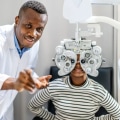
As we age, maintaining good eye health becomes increasingly important, and regular eye exams play a crucial role in this process. These exams are not just about updating your prescription; they are essential for detecting potential issues before they escalate into serious problems. Conditions such as glaucoma, cataracts, and macular degeneration can develop silently, often without noticeable symptoms until significant damage has occurred.Importance of Eye Exams
- Early Detection: Regular check-ups allow for the early detection of eye diseases, which can lead to more effective treatment options.
- Monitoring Changes: Eye exams help monitor changes in vision and eye health over time, providing valuable information to your eye care professional.
- Overall Health Assessment: Many systemic conditions, such as diabetes and hypertension, can be identified through a comprehensive eye exam.
Frequency of Eye Check-Ups
The frequency of eye exams can vary based on age and individual risk factors. Generally, it is recommended that adults aged 60 and older have an eye exam at least once a year.
However, those with existing eye conditions or a family history of eye disease may need to visit their eye care provider more frequently. Consulting with your optometrist or ophthalmologist can help determine the best schedule for your specific needs.
Finding Eye Care Services Near You
If you're looking for eye care services near you, consider searching online for local optometrists or ophthalmologists who specialize in geriatric eye care. Many practices offer comprehensive services tailored to the needs of aging patients, ensuring that you receive the best possible care for your eyes.In conclusion, prioritizing regular eye exams is a vital component of maintaining good eye health as you age. By staying proactive about your vision care, you can help safeguard your eyesight and enhance your overall quality of life.
Lifestyle Changes for Better Eye Health
Maintaining good eye health as we age requires a proactive approach, particularly through lifestyle changes.These modifications can significantly enhance vision and overall eye wellness.
Incorporating Exercise for Vision
Regular physical activity is not only beneficial for your body but also plays a crucial role in preserving your eyesight. Engaging in exercises such as walking, swimming, or yoga can improve blood circulation, which is vital for eye health. Additionally, specific eye exercises can help reduce eye strain and improve focus. For instance:- Palming: Rub your hands together to generate warmth, then gently cup your palms over your closed eyes for a few minutes.
- Focusing: Hold a pen at arm's length and slowly bring it closer to your nose while keeping your focus on it.
- Eye Rolling: Roll your eyes in a circular motion to relieve tension.
The Impact of Smoking on Eye Health
Another critical lifestyle change involves quitting smoking.Smoking has been linked to an increased risk of developing serious eye conditions such as cataracts and age-related macular degeneration (AMD). By eliminating tobacco from your life, you not only improve your overall health but also significantly reduce the risk of these debilitating eye diseases. If you're struggling to quit, consider seeking support through counseling or smoking cessation programs.In addition to exercise and quitting smoking, maintaining a balanced diet rich in antioxidants can further support eye health. Foods high in vitamins C and E, omega-3 fatty acids, and zinc are particularly beneficial.
Incorporating leafy greens, fish, nuts, and colorful fruits into your meals can provide the nutrients necessary for optimal vision.By making these lifestyle changes, you can take significant steps toward preserving your eyesight as you age. Regular check-ups with eye care services will also ensure that any potential issues are addressed promptly.
FAQs About Eye Care Services for Seniors
As seniors age, maintaining good eye health becomes increasingly important. Here are some frequently asked questions about eye care services specifically designed for older adults:- What are the common eye conditions that affect seniors?
Seniors are often at risk for conditions such as cataracts, glaucoma, and age-related macular degeneration (AMD). Regular eye exams can help detect these issues early. - How often should seniors have their eyes examined?
It is recommended that seniors have comprehensive eye exams at least once a year.However, those with existing eye conditions may need more frequent visits.
- What should I expect during an eye exam?
A typical eye exam includes a vision test, a check of the eye's overall health, and tests for specific conditions. Your eye care provider will also discuss any symptoms you may be experiencing. - Are there specific eye care services for seniors?
Yes, many clinics offer specialized eye care services for seniors, including low-vision rehabilitation and education on managing chronic conditions. - What lifestyle changes can help maintain eye health?
Eating a balanced diet rich in vitamins C and E, omega-3 fatty acids, and antioxidants can support eye health. Additionally, wearing sunglasses to protect against UV rays and quitting smoking are beneficial.
Conclusion: Prioritizing Eye Health in Your Golden Years
As we age, maintaining good eye health becomes increasingly vital.The insights shared throughout this article highlight the importance of proactive measures and regular engagement with eye care services. By prioritizing our vision, we can enhance our quality of life and enjoy our golden years to the fullest.To recap, here are some essential strategies for preserving eye health:
- Regular Eye Exams: Scheduling comprehensive eye exams with qualified professionals is crucial. These visits can help detect early signs of conditions such as glaucoma, cataracts, and macular degeneration.
- Healthy Diet: Consuming a diet rich in antioxidants, vitamins C and E, omega-3 fatty acids, and zinc can significantly benefit eye health. Foods like leafy greens, fish, nuts, and citrus fruits should be staples in your diet.
- Protective Eyewear: Wearing sunglasses that block UV rays can prevent damage from sun exposure.
Additionally, using protective eyewear during activities that pose a risk to your eyes is essential.
- Manage Chronic Conditions: Conditions such as diabetes and hypertension can adversely affect vision. Managing these through lifestyle changes and medication is crucial for maintaining eye health.
- Avoid Smoking: Smoking is linked to an increased risk of developing eye diseases. Quitting smoking can significantly reduce this risk.
By making these practices a priority, we can ensure that our eyes remain healthy and vibrant well into our later years.