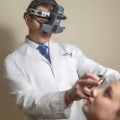
Regular eye exams are a crucial component of eye care services, serving not only to assess vision but also to detect potential health issues before they escalate. Many people underestimate the importance of these check-ups, often waiting until they experience noticeable problems before seeking professional help. However, proactive eye care can lead to early detection of conditions such as glaucoma, cataracts, and even systemic diseases like diabetes and hypertension, which can have significant implications for overall health. Understanding the benefits of regular eye check-ups goes beyond just maintaining clear vision. These exams provide an opportunity for eye care professionals to evaluate the health of your eyes and offer personalized recommendations tailored to your lifestyle and needs.
For instance, if you spend long hours in front of a computer screen, your eye doctor may suggest specific strategies or treatments to alleviate digital eye strain. This personalized approach is a hallmark of comprehensive eye care services, ensuring that each patient receives the attention and care they deserve. Moreover, regular visits to an eye care specialist can foster a deeper understanding of your eye health. Patients who engage in ongoing dialogue with their optometrists or ophthalmologists are better equipped to make informed decisions about their vision and overall well-being. As we delve into the common questions to ask during an eye exam, it’s essential to recognize that these inquiries not only enhance your understanding but also empower you to take charge of your eye health.
Common Questions to Ask Your Eye Doctor
When visiting your eye doctor, it's essential to make the most of your appointment by asking insightful questions.Here are some common questions to consider:
- What tests will be performed during my eye exam? Understanding the specific tests can help you prepare and know what to expect.
- How often should I have my eyes examined? This varies based on age, health, and vision changes, so it's crucial to get personalized advice.
- What are the signs of eye problems I should look out for? Knowing the symptoms can help you catch potential issues early.
- Can you explain my prescription? If you receive a new prescription, ask your doctor to clarify any terms or numbers that are unclear.
- What options do I have for vision correction? Inquire about glasses, contact lenses, or surgical options to understand what might work best for you.
- Are there lifestyle changes I can make to improve my eye health? Your doctor can provide tailored advice on nutrition, screen time, and protective measures.
- What should I do if I experience discomfort with my current eyewear? Discussing any issues with your glasses or contacts can lead to better solutions.
Questions About Your Vision History
Understanding your vision history is essential for your eye care provider to offer the best possible eye care services. During your eye exam, you may be asked a variety of questions that help paint a comprehensive picture of your visual health. Here are some common questions you might encounter:- What is your current vision like? Be prepared to describe any difficulties you experience, such as blurriness, double vision, or trouble seeing at night.
- Have you had any previous eye conditions? This includes issues like glaucoma, cataracts, or retinal problems.
Sharing this information can help your eye doctor assess your risk for future complications.
- What is your family’s eye health history? Many eye conditions have a genetic component. Knowing if family members have had issues like macular degeneration or diabetic retinopathy can inform your care plan.
- Do you wear glasses or contact lenses? If so, when did you last have an eye exam? This information helps determine if your prescription needs updating.
- Have you experienced any recent changes in your vision? Changes can indicate underlying health issues, so it’s important to discuss any new symptoms.
Inquiries About Eye Health and Conditions
When visiting an eye care professional, it’s essential to ask questions that can help you understand your eye health and any potential conditions that may affect your vision. Here are some important inquiries to consider:- What tests will be performed during my eye exam? Understanding the specific tests can help you prepare and know what to expect.
- Are there any signs of common eye conditions? Inquire about conditions such as glaucoma, cataracts, or macular degeneration, especially if you have a family history.
- How often should I have my eyes examined? Regular check-ups are crucial for maintaining good vision and catching issues early.
- What symptoms should I watch for between exams? Knowing the warning signs can help you seek timely treatment.
- Can my lifestyle affect my eye health? Discuss how factors like screen time, diet, and UV exposure can impact your vision.
- What preventive measures can I take? Ask about ways to protect your eyes, such as wearing sunglasses or taking breaks from screens.
These symptoms could indicate underlying issues that require attention. By actively engaging in your eye care services, you empower yourself to make informed decisions about your health.Remember, preventive eye care is key to maintaining optimal vision and overall well-being. Don’t hesitate to voice any concerns or ask for clarification during your appointment; your eye care provider is there to help you navigate your eye health journey.
Questions Regarding Eye Care Products and Treatments
When visiting an eye care professional, it's essential to ask the right questions regarding eye care products and available treatments. This not only helps you understand your options but also empowers you to make informed decisions about your vision health.Questions About Eye Care Products
- What types of lenses are available for my prescription? Understanding the different lens options, such as single vision, bifocals, or progressive lenses, can help you choose what best suits your lifestyle.
- Are there specific brands of glasses or contacts that you recommend? Your eye care provider may have preferences based on quality, comfort, and durability.
- What are the benefits of anti-reflective coatings or blue light filters? These features can enhance your visual comfort and protect your eyes from digital strain.
Treatments for Vision Problems
- What treatment options are available for my specific vision issues? Whether you have nearsightedness, farsightedness, or astigmatism, knowing your options can help you choose the best path forward.
- Are there any non-surgical treatments for my condition? Inquire about alternatives like orthokeratology or vision therapy that may be suitable for your needs.
- What is the recovery time for surgical options like LASIK? Understanding the timeline can help you plan accordingly.
Glasses vs.
Contacts Questions
- What are the pros and cons of glasses compared to contact lenses? Each option has its advantages; discussing these can help you decide which is more suitable for your daily activities.
- How do I properly care for my contact lenses? Proper hygiene and maintenance are crucial to avoid infections and ensure comfort.
- Can I wear contacts if I have dry eyes? Your eye care provider can suggest specific types of lenses that may be more comfortable for sensitive eyes.
Follow-Up Questions After Your Eye Exam
After your eye exam, it’s essential to engage in a dialogue with your eye care professional to ensure you fully understand your eye health and the next steps in your eye care services. Here are some important follow-up questions you might consider asking:- What were the results of my eye exam? Understanding the findings can help you grasp your current vision status and any potential issues.
- Do I need glasses or contact lenses? If corrective lenses are necessary, inquire about the best options for your lifestyle and preferences.
- How often should I schedule my next eye exam? Regular check-ups are crucial for maintaining eye health, especially if you have existing conditions.
- What symptoms should I watch for? Knowing what changes in your vision or eye health to monitor can help you catch potential problems early.
- Are there lifestyle changes I should consider? Your eye care provider may suggest adjustments in diet, screen time, or protective eyewear to enhance your vision.
- What are the next steps if I have a diagnosed condition? If any issues were identified, ask about treatment options and management strategies to maintain your vision.
FAQs About Eye Exams and Eye Care Services
When it comes to eye care services, patients often have a variety of questions regarding their eye exams.Here are some of the most frequently asked questions:
- What should I expect during an eye exam? Most eye exams include a series of tests to evaluate your vision and check for eye diseases. You can expect a visual acuity test, a refraction assessment, and possibly a dilated eye exam.
- How often should I have an eye exam? It is generally recommended to have an eye exam every one to two years, depending on your age, health, and whether you wear glasses or contact lenses.
- What are the signs that I need to see an eye doctor? If you experience symptoms such as blurred vision, difficulty seeing at night, or frequent headaches, it may be time to schedule an appointment.
- Are there any specific questions I should ask my eye doctor? Yes! Consider asking about the results of your tests, any recommended treatments, and how often you should return for follow-up exams.
- Does insurance cover eye exams? Most insurance plans do cover routine eye exams, but it's important to check with your provider for specific details.
- What if I don’t have insurance? Many clinics offer payment plans or sliding scale fees based on income. It's worth inquiring about these options when scheduling your appointment.
- What is a visual acuity test? This test measures how well you can see at various distances and is typically done using an eye chart.
- What is a refraction test? This test determines your exact prescription for glasses or contact lenses by using a series of lenses to find the clearest vision.
Conclusion: Empowering Yourself Through Knowledge in Eye Care Services
In conclusion, being proactive during your eye exam is crucial for ensuring optimal eye care services.By asking the right questions, you not only gain a better understanding of your eye health but also empower yourself to make informed decisions regarding your vision. Throughout this article, we have highlighted several key inquiries that can enhance your experience and outcomes during an eye examination.Remember, your eye care professional is there to assist you, and they appreciate when patients take an active role in their health. Here are some essential points to consider:
- Understanding Your Vision: Inquire about any changes in your vision and what they might indicate.
- Eye Health History: Discuss your family history of eye conditions and how it may affect you.
- Preventive Measures: Ask about steps you can take to protect your eyes from potential issues.
- Treatment Options: Explore various treatment options available for any diagnosed conditions.
- Follow-Up Care: Clarify the need for follow-up appointments and what to expect in the future.
The more informed you are about your eye health and the services available, the better equipped you will be to advocate for yourself. So, the next time you visit an eye care professional, remember that asking questions is not just encouraged; it’s essential for maintaining healthy vision.