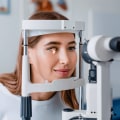
Maintaining optimal vision health is crucial for overall well-being, and this is where eye care services play a vital role. Regular eye exams are not just about updating your prescription; they are essential for detecting potential issues before they escalate into serious problems. Many people underestimate the importance of these exams, often waiting until they experience discomfort or vision changes. However, proactive eye care can lead to early diagnosis of conditions such as glaucoma, cataracts, and even systemic diseases like diabetes. Eye care services encompass a range of practices designed to ensure that your eyes remain healthy throughout your life.
From comprehensive eye exams to specialized treatments, these services are tailored to meet individual needs. Understanding the significance of regular eye exams can empower you to take charge of your vision health. By prioritizing these appointments, you not only safeguard your eyesight but also enhance your quality of life. In a world increasingly reliant on digital devices, the strain on our eyes has never been greater. This makes it even more important to engage with eye care services regularly.
The insights gained from an eye exam can provide valuable information about your overall health and help you make informed decisions about your lifestyle and habits. As we delve deeper into the topic of how often one should get an eye exam, it’s essential to recognize that these services are not merely a routine; they are a fundamental aspect of maintaining long-term vision health.
How Often Should You Get an Eye Exam?
Understanding how often you should get an eye exam is crucial for maintaining optimal eye care services. The frequency of eye exams can vary based on several factors, including age, overall health, and specific risk factors.General Recommendations:- Children: It is recommended that children have their first eye exam at six months of age, followed by another at three years, and then before starting school. After that, exams should occur every two years unless otherwise advised by an eye care professional.
- Adults (Ages 18-64): For most adults, a comprehensive eye exam every two years is sufficient.
However, if you wear glasses or contact lenses, an annual exam may be necessary to ensure your prescription is up to date.
- Seniors (Ages 65 and older): Older adults should have their eyes examined annually. This age group is at a higher risk for conditions such as cataracts, glaucoma, and macular degeneration.
Regular visits to your eye care professional are vital for early detection and treatment of potential issues.
Factors Influencing Eye Exam Frequency
When considering eye care services, it's essential to understand the various factors that can influence how often one should schedule an eye exam. These factors include age, health conditions, and lifestyle choices.Age and Eye Exams
Age plays a significant role in determining the frequency of eye exams. For instance:- Children: It is recommended that children have their first eye exam at six months, followed by another at age three, and then before they enter school. Regular check-ups are crucial as vision development occurs rapidly during these early years.
- Adults: Adults aged 18 to 60 should have an eye exam every two years, while those over 60 should consider annual exams.
This is because the risk of developing eye conditions increases with age.
Health Conditions and Vision Care
Your overall health can significantly impact your vision. Individuals with certain health conditions may require more frequent eye exams:- Diabetes: Diabetic patients should have an eye exam at least once a year to monitor for diabetic retinopathy and other complications.
- Hypertension: High blood pressure can affect vision, making regular check-ups essential for those diagnosed with this condition.
- Family History: If there is a family history of eye diseases such as glaucoma or macular degeneration, it’s advisable to have more frequent exams to catch any potential issues early.
Lifestyle Choices
Your daily habits can also influence your eye health. Factors such as:- Screen Time: Prolonged exposure to screens can lead to digital eye strain, necessitating more frequent evaluations.
- UV Exposure: Those who spend a lot of time outdoors should consider regular exams to check for UV-related damage.
- Smoking: Smokers are at a higher risk for developing cataracts and other vision problems, warranting more regular check-ups.
Signs You Need an Eye Exam Sooner
While regular eye exams are essential for maintaining optimal vision health, certain symptoms may indicate that you need to see an eye care professional sooner than your scheduled appointment. Being aware of these signs can help you address potential issues before they escalate.- Frequent Headaches: If you find yourself experiencing headaches more often, especially after reading or using a computer, it could be a sign of eye strain or an uncorrected vision problem.
- Blurred or Double Vision: Sudden changes in your vision, such as blurriness or seeing double, warrant immediate attention from an eye doctor.
These symptoms can indicate serious conditions that require prompt treatment.
- Difficulty Seeing at Night: If you struggle to see in low light conditions or have trouble with glare from headlights while driving at night, it may be time to consult an eye care specialist.
- Changes in Color Perception: Noticing that colors appear dull or different can be a sign of underlying issues, such as cataracts or other eye diseases.
- Floaters and Flashes: The sudden appearance of floaters (small spots or lines in your vision) or flashes of light can indicate retinal detachment or other serious conditions. Seek immediate care if you experience these symptoms.
- Eye Pain or Discomfort: Persistent pain, discomfort, or a feeling of pressure in your eyes should not be ignored. These sensations can signal infections, inflammation, or other serious problems.
Types of Eye Exams and What to Expect
When it comes to eye care services, understanding the different types of eye exams available can help you make informed decisions about your vision health.Each type of exam serves a specific purpose and can provide valuable insights into your eye condition.
Types of Eye Exams
- Comprehensive Eye Exam: This is the most thorough type of eye exam, typically recommended every one to two years. It includes a series of tests to evaluate your vision and check for eye diseases. Expect tests for visual acuity, refraction, and an assessment of your eye health using specialized equipment.
- Contact Lens Exam: If you wear or plan to wear contact lenses, this exam is essential. It includes all components of a comprehensive exam but also focuses on fitting lenses properly.
Your eye care professional will measure the curvature of your cornea and assess how well your eyes tolerate contact lenses.
- Pediatric Eye Exam: Children should have their first eye exam at six months, then again at three years, and before starting school. These exams focus on detecting vision problems early, which can be crucial for a child’s development.
- Follow-Up Exams: If you have been diagnosed with an eye condition or are undergoing treatment, follow-up exams are critical. These visits allow your eye care provider to monitor your condition and adjust treatment as necessary.
What to Expect During an Eye Exam
During an eye exam, you can expect a variety of tests that may include:- Visual Acuity Test: This test measures how well you see at various distances using an eye chart.
- Refraction Assessment: This determines your exact prescription for glasses or contact lenses.
- Eye Health Evaluation: Your doctor will examine the front and back of your eyes using instruments like a slit lamp and ophthalmoscope.
The Role of Technology in Eye Care Services
In recent years, the field of eye care services has witnessed remarkable advancements due to technology, significantly enhancing the quality and efficiency of eye examinations.These innovations not only improve diagnostic accuracy but also streamline the overall patient experience.
Digital Eye Exams
- Digital imaging technologies, such as optical coherence tomography (OCT), allow eye care professionals to capture high-resolution images of the retina and optic nerve. This enables early detection of conditions like glaucoma and macular degeneration.
- Automated refraction systems have revolutionized how prescriptions for glasses and contact lenses are determined. These systems use sophisticated algorithms to provide precise measurements, reducing the time spent during eye exams.
Telemedicine in Eye Care
- The rise of telemedicine has made it easier for patients to access eye care services, especially in remote areas. Virtual consultations allow for preliminary assessments and follow-ups without the need for in-person visits.
- Patients can now send images of their eyes or symptoms directly to their eye care providers, facilitating quicker diagnoses and treatment plans.
Artificial Intelligence (AI)
- AI-driven tools are being developed to analyze eye images and detect diseases with a level of precision that rivals human experts.
This technology not only aids in diagnosis but also helps in predicting disease progression.
- By integrating AI into routine eye exams, practitioners can focus more on patient care rather than manual data analysis, ultimately improving service delivery.
Common Myths About Eye Exams Debunked
When it comes to eye care services, many people hold onto misconceptions that can hinder their vision health. Here, we debunk some of the most common myths about eye exams.- Myth 1: You only need an eye exam if you have vision problems. Many believe that if they can see well, there’s no need for an exam. In reality, regular eye exams are crucial for detecting issues like glaucoma or diabetic retinopathy before symptoms appear.
- Myth 2: Eye exams are only for adults. This is a misconception; children should also have their eyes examined regularly.
Early detection of vision problems can significantly impact a child’s learning and development.
- Myth 3: If you wear glasses or contacts, you don’t need regular exams. Even if you have corrective lenses, your prescription can change over time. Regular check-ups ensure that your vision remains optimal and that your prescription is up to date.
- Myth 4: Eye exams are painful and uncomfortable. Many people fear the discomfort associated with eye exams. However, most procedures are quick and painless, designed to be as comfortable as possible.
- Myth 5: You can skip eye exams if you have good vision. This is a dangerous myth. Many serious eye conditions develop without noticeable symptoms.
Regular exams help catch these issues early, preserving your vision.
Conclusion: Prioritizing Your Eye Health Through Regular Exams
In conclusion, prioritizing your eye health through regular exams is essential for maintaining not only your vision but also your overall well-being. As we have discussed, the frequency of eye exams can vary based on age, health status, and risk factors. However, adhering to a schedule that includes regular visits to eye care services can help detect potential issues early, ensuring timely intervention and treatment.For children, it is recommended to have their first eye exam at six months of age, followed by additional check-ups at age three and before starting school.Adults should aim for an eye exam every two years, while those over 60 or with specific health conditions may need annual assessments. These guidelines are crucial in preventing vision loss and managing conditions such as glaucoma or diabetic retinopathy.
- Early Detection: Regular exams allow for the early detection of eye diseases that may not present symptoms initially.
- Vision Correction: Eye care professionals can provide updated prescriptions for glasses or contact lenses, enhancing your quality of life.
- Overall Health Monitoring: Eye exams can reveal signs of systemic conditions like hypertension and diabetes.
Schedule your next eye exam today and take charge of your eye health!.