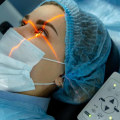
Understanding eye care services is essential for maintaining not only your vision but also your overall health. Regular eye examinations can detect early signs of conditions such as glaucoma, cataracts, and even systemic diseases like diabetes and hypertension. By prioritizing eye care, you are investing in your long-term well-being and quality of life. There are various types of eye care providers available to meet your specific needs. Optometrists are trained to perform eye exams, prescribe corrective lenses, and diagnose certain eye conditions.
Ophthalmologists, on the other hand, are medical doctors who specialize in eye and vision care, including performing surgeries. Additionally, opticians play a crucial role in fitting and dispensing eyewear based on prescriptions provided by optometrists or ophthalmologists. Understanding the differences among these professionals can help you choose the right provider for your eye care needs. The importance of regular eye care cannot be overstated. Many people underestimate the role that vision plays in their daily lives, often taking it for granted until problems arise.
By seeking out qualified eye care services, you can ensure that your eyes remain healthy and that any potential issues are addressed promptly. This proactive approach not only enhances your visual acuity but also contributes to your overall health, making it vital to establish a relationship with a reliable eye care provider.
Key Qualities of a Reliable Eye Care Provider
When searching for a reliable and qualified eye care provider, it is essential to consider several key qualities that can significantly impact your overall experience and the quality of care you receive. Here are some important factors to keep in mind:- Credentials and Qualifications: Ensure that the eye care provider has the necessary education and training. Look for board certification and affiliations with reputable professional organizations, which indicate a commitment to ongoing education and adherence to industry standards.
- Experience: An eye care provider's experience can greatly influence their ability to diagnose and treat various conditions.
Consider how long they have been practicing and whether they specialize in specific areas of eye care services, such as pediatric ophthalmology or glaucoma management.
- Patient Reviews: Online reviews and testimonials can provide valuable insights into the experiences of other patients. Look for feedback regarding the provider's communication style, wait times, and overall satisfaction with the care received.
- Technology and Facilities: A reliable eye care provider should utilize modern technology and maintain a clean, well-equipped facility. This not only enhances the accuracy of diagnoses but also ensures a comfortable environment for patients.
- Communication Skills: A good eye doctor should be able to explain complex medical terms in a way that is easy to understand. They should also be open to answering your questions and addressing any concerns you may have about your eye health.
How to Research Eye Care Providers
Finding a reliable and qualified eye care provider is essential for maintaining your vision and overall eye health.Here are some practical tips to help you research potential eye care services.
- Start with Recommendations: Ask family, friends, or coworkers for their recommendations. Personal experiences can provide valuable insights into the quality of care and service.
- Check Online Directories: Utilize online resources such as the American Academy of Ophthalmology or the American Optometric Association. These directories can help you find certified eye care professionals in your area.
- Read Online Reviews: Websites like Yelp, Google Reviews, and Healthgrades offer patient reviews that can give you a sense of the provider's reputation. Look for patterns in feedback regarding wait times, staff friendliness, and the thoroughness of examinations.
- Evaluate Qualifications: Research the educational background and certifications of potential eye doctors.
Ensure they are board-certified and have experience in the specific services you require.
- Consider Specializations: Depending on your needs, you may want to find an eye care provider who specializes in certain areas, such as pediatric eye care, glaucoma treatment, or contact lens fitting.
- Schedule a Consultation: Once you have narrowed down your options, consider scheduling a consultation. This visit allows you to assess the office environment, meet the staff, and ask questions about their approach to eye care services.
Questions to Ask During Your First Visit
Choosing the right eye care provider is crucial for maintaining your vision and overall eye health. During your first visit, asking the right questions can help you gauge the provider's qualifications and ensure they meet your specific needs.Here are some essential questions to consider:
- What are your qualifications and experience? Inquire about the provider's education, training, and years of experience in the field. Understanding their background can give you confidence in their expertise.
- What types of eye care services do you offer? Different providers may specialize in various areas such as pediatric eye care, contact lenses, or surgical procedures. Make sure their services align with your needs.
- How do you handle emergencies? It's important to know how the provider manages urgent situations. Ask about their availability after hours and what steps to take if an emergency arises.
- What technology do you use for eye exams? Modern technology can enhance the accuracy of diagnoses.
Inquire about the equipment used during examinations and whether they offer advanced testing options.
- Can you explain my eye condition and treatment options? A good provider should be able to clearly explain any diagnoses and discuss potential treatment plans. This ensures you understand your options and can make informed decisions.
- What is your approach to patient education? Ask how they keep patients informed about their eye health and any necessary follow-up care. A provider who prioritizes education can help you take proactive steps in managing your vision.
Understanding Different Types of Eye Care Services
When it comes to eye care services, understanding the different types available is crucial for maintaining optimal vision and eye health.Eye care services can be broadly categorized into routine vision exams and specialized treatments.
Routine Vision Exams
Routine vision exams are essential for everyone, regardless of age. These exams typically include:- Comprehensive Eye Exams: These are thorough assessments that evaluate your overall eye health, vision clarity, and the presence of any eye diseases.
- Refraction Tests: This test determines your exact prescription for glasses or contact lenses.
- Visual Field Tests: These tests check your peripheral vision and can help detect issues like glaucoma.
Specialized Eye Treatments
If you have specific eye conditions or require advanced care, specialized eye treatments may be necessary. Some common specialized services include:- Cataract Surgery: A procedure to remove the cloudy lens of the eye and replace it with an artificial lens.
- Laser Vision Correction: Techniques like LASIK or PRK that reshape the cornea to improve vision.
- Treatment for Eye Diseases: Management of conditions such as glaucoma, macular degeneration, or diabetic retinopathy often requires specialized care from an ophthalmologist.
The Role of Insurance in Choosing Eye Care Providers
When selecting an eye care provider, understanding insurance coverage is crucial.Many patients overlook the impact that their vision insurance can have on their choice of eye care services. Here are some key considerations to keep in mind:
- Check Your Insurance Plan: Before scheduling an appointment, review your insurance policy to understand what vision services are covered. Most plans will specify which types of eye exams, treatments, and eyewear are included.
- In-Network vs. Out-of-Network Providers: Insurance plans often have a network of preferred providers.
Choosing an eye doctor within this network can significantly reduce out-of-pocket costs. Verify if your potential provider is in-network to maximize your benefits.
- Co-pays and Deductibles: Be aware of any co-pays or deductibles associated with your plan. Some plans may require a higher co-pay for specialist visits or specific procedures, which can affect your overall expenses.
- Coverage for Specific Services: Not all eye care services are created equal. Some insurance plans may cover routine eye exams but not specialized treatments like LASIK or certain diagnostic tests.
Clarify what is included in your coverage.
- Ask About Additional Benefits: Some insurance policies offer additional perks, such as discounts on eyewear or allowances for contact lenses. Inquire about these benefits when choosing a provider.
Common Myths About Eye Care Providers
When it comes to eye care services, many people hold onto misconceptions that can lead to poor choices regarding their vision health. Understanding the truth behind these myths is essential for making informed decisions about eye care providers.Myth 1: Eye Exams Are Only Necessary If You Have Vision Problems
Many believe that they only need to see an eye doctor if they experience issues with their vision.In reality, regular eye exams are crucial for everyone, even those with perfect eyesight. These exams can detect early signs of conditions such as glaucoma, cataracts, and macular degeneration before symptoms arise.
Myth 2: All Eye Care Providers Are the Same
Another common misconception is that all eye care providers offer the same level of service and expertise. In fact, there are significant differences between optometrists and ophthalmologists. Optometrists primarily provide vision care and prescribe corrective lenses, while ophthalmologists are medical doctors who can perform surgeries and treat complex eye diseases.Choosing the right type of provider based on your specific needs is essential.
Myth 3: You Only Need to See an Eye Doctor as You Age
While it’s true that age increases the risk of certain eye conditions, children and young adults also require regular eye care. Vision problems can develop at any age, and early detection is key to effective treatment. Parents should ensure their children have comprehensive eye exams to support their visual development.Myth 4: Wearing Glasses or Contacts Will Worsen Your Vision
This myth often discourages individuals from seeking necessary eye care services. The truth is that wearing corrective lenses does not worsen vision; rather, it helps individuals see clearly and comfortably.Not wearing prescribed lenses can lead to eye strain and discomfort. By debunking these myths, individuals can better understand the importance of seeking qualified eye care providers. Making informed choices about eye health is vital for maintaining good vision throughout life.
Conclusion: Making an Informed Choice for Your Eye Health
In conclusion, selecting a reliable and qualified eye care provider is crucial for maintaining optimal eye health. Throughout this article, we have explored various factors that contribute to making an informed choice. First and foremost, it is essential to consider the credentials and experience of the eye care professional. Look for providers who are board-certified and have a solid track record in delivering eye care services.This ensures that you are receiving care from someone who is knowledgeable and skilled in their field. Additionally, seeking recommendations from friends, family, or your primary care physician can provide valuable insights into potential providers. Online reviews and testimonials can also help gauge the quality of care offered by different practitioners. Another important aspect is the range of services provided. A comprehensive eye care provider should offer a variety of services, including routine eye exams, treatment for eye diseases, and access to advanced technology for diagnostics. This breadth of services can be indicative of a provider's commitment to comprehensive patient care. Furthermore, consider the location and accessibility of the eye care facility.
A conveniently located office can make it easier to attend regular appointments, which is vital for ongoing eye health management. Finally, trust your instincts. If you feel comfortable and confident in your chosen provider, it can significantly enhance your overall experience. Remember that your eyes are invaluable; investing time in finding the right eye care services will pay off in the long run. By taking these factors into account, you can make an informed decision that prioritizes your vision and overall well-being.