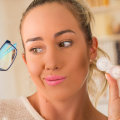
When it comes to vision correction, many individuals find themselves considering contact lenses as a viable alternative to traditional eyeglasses. However, the journey to achieving optimal vision through contact lenses begins with a crucial step: the fitting process. This process is not merely about selecting a pair of lenses; it involves a comprehensive assessment of your eye health and personal vision needs, making it an essential component of eye care services.During a contact lens fitting, an eye care professional evaluates various factors, including the shape and size of your cornea, the moisture level of your eyes, and your overall visual requirements. This personalized approach ensures that the lenses you choose will not only enhance your vision but also provide comfort and safety.
Understanding the intricacies of this fitting process can help demystify what may seem like a daunting task for first-time users. As we delve deeper into the specifics of contact lens fitting, it becomes clear that this service is tailored to meet individual needs. Whether you are looking for daily wear, extended wear, or specialty lenses, the fitting process is designed to guide you toward the best options available. By prioritizing proper fitting and ongoing eye care, you can enjoy the freedom and flexibility that contact lenses offer while maintaining optimal eye health.
The Importance of Professional Eye Care Services
When it comes to contact lens fitting, the importance of seeking professional eye care services cannot be overstated. A thorough eye examination by a qualified optometrist or ophthalmologist is essential for ensuring that your lenses fit properly and are suitable for your eyes.This process not only enhances your comfort but also protects your eye health.
Regular eye exams
play a crucial role in maintaining optimal vision and overall eye health. During these exams, eye care professionals can detect early signs of conditions such as glaucoma, cataracts, and other ocular diseases that may not present noticeable symptoms initially. By identifying these issues early, you can take proactive steps to manage them effectively.Moreover, professional eye care services provide personalized care tailored to your specific needs. Each individual's eyes are unique, and a one-size-fits-all approach to contact lenses can lead to discomfort or even damage.An eye care specialist will assess factors such as:
- Corneal shape
- Pupil size
- Eye moisture levels
- Prescription accuracy
Initial Consultation: What to Expect
When you schedule your initial consultation for contact lenses, you are taking the first step towards improved vision and comfort. This visit is crucial as it sets the foundation for a successful fitting.Here’s what you can expect during this important appointment.
- Comprehensive Eye Exam: The consultation typically begins with a thorough eye exam. Your eye care professional will assess your vision and check for any underlying eye conditions. This step is essential to ensure that contact lenses are a suitable option for you.
- Discussion of Vision Needs: During the consultation, you will have the opportunity to discuss your lifestyle and vision requirements. Whether you need lenses for daily wear, sports, or special occasions, sharing this information helps your eye care provider recommend the best options.
- Measurement of Eye Parameters: Accurate measurements are vital for a proper fit.
Your eye care provider will measure the curvature of your cornea, the size of your pupils, and the distance between your pupils. These measurements ensure that the lenses fit comfortably and provide optimal vision correction.
- Trial Lenses: In many cases, you may be given trial lenses to wear during your consultation. This allows you to experience how they feel and see how well they correct your vision. Your eye care provider will guide you on how to insert and remove the lenses properly.
- Follow-Up Appointments: After your initial fitting, follow-up appointments may be necessary to ensure that the lenses are working effectively and comfortably.
Your eye care provider will check for any signs of irritation or discomfort and make adjustments as needed.
Comprehensive Eye Examination
When considering contact lenses, a comprehensive eye examination is essential to ensure your eyes are healthy and suitable for lens wear. This examination typically involves several key tests and assessments that provide a thorough understanding of your eye health.- Visual Acuity Test: This test measures how well you can see at various distances. It helps determine your prescription needs for contact lenses.
- Refraction Assessment: Using a phoropter, the eye care professional will assess your vision and determine the correct lens prescription by asking you to compare different lens options.
- Corneal Topography: This advanced imaging technique maps the curvature of your cornea, which is crucial for fitting contact lenses accurately.
It helps identify any irregularities that could affect lens comfort and vision.
- Pupil and Iris Examination: The eye doctor will examine the size and shape of your pupils and irises to ensure they are healthy and suitable for contact lens wear.
- Tear Film Evaluation: A test to assess the quality and quantity of your tears is vital, as adequate tear production is necessary for comfortable contact lens wear.
- Eye Health Assessment: The doctor will check for any signs of eye diseases or conditions, such as dry eye syndrome or infections, which could impact your ability to wear contacts safely.
Measuring for Contact Lenses: Key Steps
When it comes to measuring for contact lenses, precision is key. The fitting process involves several critical measurements that ensure the lenses will provide optimal vision and comfort.Here are the key steps involved:
- Corneal Curvature Measurement: This measurement assesses the curvature of your cornea, which is essential for determining the appropriate lens base curve. A steeper cornea may require a different lens than a flatter one, as the curvature affects how the lens sits on your eye.
- Pupil Distance (PD): This measurement is taken from the center of one pupil to the center of the other. It is crucial for ensuring that the optical center of the contact lens aligns with your pupils, which helps in achieving clear vision.
- Lens Diameter: The diameter of the contact lens is also measured to ensure it fits well on your eye. A lens that is too small may not cover your cornea adequately, while one that is too large can cause discomfort.
- Eye Shape Assessment: Your eye shape can influence how a contact lens fits.
An eye care professional will evaluate whether you have a more spherical or astigmatic shape, which can affect lens selection.
Choosing the Right Contact Lenses
When it comes to eye care services, selecting the right contact lenses is crucial for both comfort and vision correction.There are several types of contact lenses available, each designed to meet different needs and preferences.
Types of Contact Lenses
- Soft Lenses: These are made from flexible materials that allow oxygen to pass through to the cornea. They are generally more comfortable and easier to adapt to than hard lenses. Soft lenses come in various types, including daily disposables, bi-weekly, and monthly wear.
- Hard (Rigid Gas Permeable) Lenses: While less common than soft lenses, hard lenses offer excellent vision correction and are durable. They can be a good option for individuals with specific vision issues or those who prefer a longer-lasting lens.
- Toric Lenses: Designed for astigmatism, toric lenses can be either soft or hard and have different powers in different meridians of the lens.
- Multifocal Lenses: These lenses cater to individuals who need correction for both near and far vision, making them ideal for presbyopia.
Choosing the Right Contact Lenses
When selecting contact lenses, consider the following factors:- Comfort: Soft lenses are typically more comfortable for first-time users, while hard lenses may take longer to adjust to.
- Vision Needs: Your specific vision requirements will dictate whether you need single vision, multifocal, or toric lenses.
- Lifestyle: If you lead an active lifestyle or travel frequently, daily disposables might be more convenient.
- Eye Health: Consult with your eye care professional to ensure that your choice of lenses aligns with your overall eye health.
They can provide personalized recommendations based on your unique needs and preferences, ensuring that you achieve optimal comfort and vision correction.
Trial Fitting: The Next Step
Once you have completed your initial eye examination and received your contact lens prescription, the next crucial step in the eye care services process is the trial fitting. This phase allows you to try on sample lenses to evaluate their comfort and vision quality before finalizing your prescription.The trial fitting typically begins with your eye care professional selecting a few different types of lenses based on your specific needs, such as your prescription, eye shape, and lifestyle. During this fitting, you will be asked to wear the lenses for a short period, usually around 15 to 30 minutes.How Trial Fitting Works
- Initial Assessment: After inserting the trial lenses, your eye care provider will assess how well they fit. They will check for any discomfort or irritation and ensure that the lenses sit correctly on your eyes.
- Vision Quality Check: You will be asked to perform various visual tasks, such as reading an eye chart or looking at objects at different distances.
This helps determine if the lenses provide clear and comfortable vision.
- Feedback Session: After wearing the lenses, you will discuss your experience with your eye care professional. They will ask about any discomfort, dryness, or blurriness you may have experienced.
This step is essential in ensuring that you receive the best possible vision correction while maintaining optimal comfort.
Follow-Up Appointments: Ensuring Comfort and Fit
After your initial fitting for contact lenses, follow-up appointments play a crucial role in ensuring that your lenses fit properly and remain comfortable. These appointments are essential for monitoring your eye health and making any necessary adjustments to your lenses.Why Follow-Up Appointments Matter
- Comfort Assessment: During follow-up visits, your eye care professional will assess how well the lenses fit and whether they cause any discomfort. This is important because even minor adjustments can significantly enhance your wearing experience.
- Vision Clarity: Your vision may change after you start wearing contact lenses. Follow-up appointments allow for adjustments to the lens prescription if needed, ensuring optimal vision correction.
- Eye Health Monitoring: Regular check-ups help in identifying any potential issues such as dryness, irritation, or infection early on, allowing for timely intervention.
Adjusting Contact Lens Fit
If you experience discomfort or notice that your vision isn’t as clear as expected, your eye care provider may recommend adjustments.
This could involve:
- Changing the lens material to one that better suits your eyes.
- Modifying the curvature or diameter of the lenses to improve fit.
- Switching to a different brand or type of lens altogether.
Ongoing Eye Care Services
Your relationship with your eye care provider doesn’t end after the initial fitting. Engaging in ongoing eye care services is vital for maintaining both comfort and eye health. Regular check-ups not only ensure that your contact lenses continue to fit well but also provide an opportunity to discuss any changes in your vision or eye health.In summary, follow-up appointments are an integral part of the contact lens fitting process. They ensure that you enjoy a comfortable and effective vision correction experience while safeguarding your overall eye health.
Common Questions About Contact Lens Fitting
When considering contact lenses, many patients have questions about the fitting process.Here are some common inquiries:
- What should I expect during a contact lens fitting? During a fitting, your eye care professional will assess your vision and the shape of your eyes. This may involve taking measurements and trying on different lenses to find the best fit for your comfort and vision needs.
- How long does the fitting process take? The entire process typically takes about 30 to 60 minutes, depending on the complexity of your prescription and any adjustments needed.
- Will I be able to wear contact lenses immediately after the fitting? In most cases, yes! However, you may need to return for a follow-up appointment to ensure that the lenses fit properly and that you are comfortable wearing them.
- What if I have dry eyes or other concerns? If you have dry eyes or other specific concerns, be sure to discuss these with your eye care provider. They can recommend specialized lenses or solutions that can help alleviate discomfort.
- Are there any risks associated with wearing contact lenses? While contact lenses are generally safe, improper use can lead to complications such as infections or irritation. Always follow your eye care professional's instructions for cleaning and wearing your lenses.
Conclusion: The Path to Clear Vision with Contact Lenses
In conclusion, the journey to achieving clear vision through contact lenses is a multifaceted process that emphasizes the importance of professional eye care services.From the initial consultation to the final fitting, each step is crucial in ensuring that your lenses not only correct your vision but also provide comfort and safety.Throughout this process, you will engage in several key activities:
- Comprehensive Eye Examination: This is the foundation of your contact lens fitting. A thorough examination helps identify your specific vision needs and any underlying eye health issues.
- Determining Lens Type: Based on your lifestyle and vision requirements, your eye care professional will recommend the most suitable type of contact lenses, whether they are daily disposables, extended wear, or specialty lenses.
- Fitting Process: This involves measuring your eyes to ensure the lenses fit properly. A well-fitted lens enhances comfort and reduces the risk of complications.
- Trial Period: Many practitioners provide a trial period with sample lenses. This allows you to assess comfort and vision quality before making a final decision.
- Follow-Up Appointments: Regular check-ins with your eye care provider are essential to monitor your eye health and make any necessary adjustments to your lens prescription.
By prioritizing eye care services, you ensure that you are making informed choices about your vision correction options. Remember, clear vision is just a fitting away, and with the right support from professionals, you can enjoy the freedom and convenience that contact lenses offer.