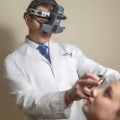
In today's fast-paced world, eye care services play a crucial role in maintaining our overall health and well-being. Our eyes are not just windows to the world; they are vital organs that require regular attention and care. With the increasing prevalence of eye conditions such as cataracts and glaucoma, understanding the importance of these services becomes even more essential. Early detection and treatment can significantly improve quality of life, making it imperative for individuals to prioritize their eye health. Cataracts, characterized by the clouding of the eye's natural lens, often develop gradually and can lead to vision impairment if left untreated.
On the other hand, glaucoma is a group of eye conditions that damage the optic nerve, often associated with increased pressure in the eye. Both conditions can have serious implications for vision and daily activities, underscoring the need for comprehensive eye care services.As we delve deeper into this article, we will explore various treatment options available for these common eye conditions. From surgical interventions to innovative therapies, understanding these treatments will empower individuals to make informed decisions about their eye health. By recognizing the signs and symptoms of cataracts and glaucoma, patients can seek timely care and preserve their vision for years to come.
Understanding Cataracts
Cataracts are a common eye condition characterized by the clouding of the lens in the eye, which can significantly impair vision.This condition often develops slowly and can affect one or both eyes. As cataracts progress, they can lead to symptoms such as blurred vision, difficulty seeing at night, sensitivity to light, and seeing halos around lights. Early detection is crucial, as timely intervention can help preserve vision and improve quality of life.Understanding the symptoms of cataracts is essential for seeking appropriate eye care services. Individuals may notice that colors appear faded or that they have to change their prescription glasses more frequently.
If these symptoms arise, it is important to consult an eye care professional for a comprehensive examination.
Treatment Options for Cataracts
The primary treatment for cataracts is surgical intervention. During cataract surgery, the cloudy lens is removed and typically replaced with an artificial intraocular lens (IOL). This procedure is one of the most common and safest surgeries performed today, often resulting in improved vision for patients.- Preoperative Assessment: Before surgery, a thorough evaluation is conducted to determine the best course of action based on the patient's specific condition.
- Surgical Procedure: The surgery usually takes less than an hour and can be performed on an outpatient basis.
- Postoperative Care: After surgery, patients may need to use prescribed eye drops and attend follow-up appointments to ensure proper healing.
Early detection and appropriate treatment options can lead to successful outcomes, allowing individuals to enjoy a clearer and more vibrant world.
Common Treatments for Cataracts
Cataracts are a common eye condition that can significantly impair vision, but fortunately, there are several effective treatment options available. The most widely recognized treatment for cataracts is surgical intervention, particularly phacoemulsification.Phacoemulsification
is a minimally invasive procedure that involves using ultrasound waves to break up the cloudy lens of the eye. This technique allows for the removal of the cataract through a small incision, which typically results in quicker recovery times and less discomfort compared to traditional surgery. During this procedure, the surgeon will also insert an artificial intraocular lens (IOL) to replace the natural lens that has become cloudy.Another option is lens replacement surgery , which may be recommended for patients with more advanced cataracts or those who have other eye conditions.
In this procedure, the cloudy lens is removed and replaced with a new lens that can correct vision problems such as nearsightedness or farsightedness. There are various types of IOLs available, including monofocal, multifocal, and toric lenses, each designed to address specific vision needs.While surgery is the primary treatment for cataracts, some patients may explore non-surgical approaches in the early stages of cataract development. These may include:
- Vision aids: Using stronger prescription glasses or magnifying lenses can help improve vision temporarily.
- Lighting adjustments: Increasing lighting in workspaces or using anti-glare sunglasses can enhance visual clarity.
- Regular monitoring: Keeping regular appointments with an eye care professional to monitor the progression of cataracts.
Understanding Glaucoma
Glaucoma is a group of eye conditions that can lead to damage to the optic nerve, often associated with increased pressure in the eye.It is one of the leading causes of blindness, making awareness and early detection crucial. Regular eye exams are essential for identifying glaucoma in its early stages, as many individuals may not experience noticeable symptoms until significant damage has occurred.There are several types of glaucoma, with the most common being:
- Open-Angle Glaucoma: This is the most prevalent form, where the drainage angle of the eye remains open, but the trabecular meshwork is partially blocked, leading to gradual vision loss.
- Angle-Closure Glaucoma: This type occurs when the iris bulges forward to narrow or block the drainage angle, causing a sudden increase in eye pressure. It can present with severe symptoms and requires immediate medical attention.
- Normal-Tension Glaucoma: In this condition, optic nerve damage occurs even though eye pressure remains within normal ranges. The exact cause is still under investigation.
- Secondary Glaucoma: This type can develop as a result of other medical conditions or injuries affecting the eye.
Open-angle glaucoma often progresses slowly without noticeable symptoms until significant vision loss has occurred. In contrast, angle-closure glaucoma may present with sudden symptoms such as:
- Severe headache
- Nausea and vomiting
- Blurred vision
- Halos around lights
- Pain in or around the eyes
Common Treatments for Glaucoma
Glaucoma is a serious eye condition that can lead to vision loss if not properly managed.Fortunately, there are several effective eye care services available to help control intraocular pressure (IOP) and preserve vision. The primary treatment options for glaucoma include medications, laser treatments, and surgical interventions.
Glaucoma Medications
The first line of defense against glaucoma often involves medications. These are typically prescribed in the form of eye drops that help lower IOP by either decreasing the production of fluid in the eye or increasing its outflow. Common classes of glaucoma medications include:- Prostaglandin analogs: These increase fluid drainage and are usually taken once daily.
- Beta-blockers: These reduce fluid production and are often used in combination with other treatments.
- Alpha agonists: These also decrease fluid production and improve drainage.
- Carbonic anhydrase inhibitors: These can be used as drops or oral medications to further reduce fluid production.
Laser Treatment for Glaucoma
If medications are insufficient to control IOP, laser treatments may be recommended.These procedures aim to improve the drainage of fluid from the eye. Two common types of laser treatments include:
- Laser trabeculoplasty: This procedure enhances the drainage angle of the eye, allowing for better fluid outflow.
- Laser iridotomy: This is often used for angle-closure glaucoma, creating a small hole in the peripheral iris to improve fluid flow.
Surgical Options for Glaucoma
If both medications and laser treatments fail to adequately control IOP, surgical options may be considered. Surgical interventions can create new drainage pathways or enhance existing ones. Some common surgical procedures include:- Trabeculectomy: This surgery creates a new drainage channel to lower IOP.
- Tube shunt surgery: A small tube is implanted to help drain excess fluid from the eye.
Preventive Eye Care Services
Preventive eye care services play a crucial role in maintaining optimal eye health and can significantly reduce the risk of developing serious conditions such as cataracts and glaucoma.Regular eye exams are essential for early detection and management of these conditions, allowing for timely interventions that can preserve vision.
Regular Eye Exams
- Adults should have comprehensive eye exams at least every two years, or more frequently if recommended by an eye care professional.
- During these exams, eye care specialists can assess not only visual acuity but also the overall health of the eyes, checking for signs of cataracts, glaucoma, and other potential issues.
- Early detection through regular exams can lead to more effective treatment options and better outcomes.
Lifestyle Changes for Eye Health
- Nutrition: A diet rich in fruits, vegetables, and omega-3 fatty acids can support eye health. Foods high in antioxidants, such as leafy greens and carrots, are particularly beneficial.
- Sun Protection: Wearing sunglasses that block UV rays can help prevent damage to the eyes and reduce the risk of cataracts.
- Quit Smoking: Smoking is a significant risk factor for many eye diseases. Quitting can improve overall health and reduce the risk of developing conditions like cataracts and age-related macular degeneration.
- Manage Chronic Conditions: Conditions such as diabetes and hypertension can affect eye health. Proper management through medication and lifestyle changes is essential.
By prioritizing regular eye exams and making informed lifestyle choices, individuals can take proactive steps to safeguard their vision against common eye conditions.
FAQs About Eye Care Services and Treatments
When it comes to eye care services, many patients have questions about the treatments available for common eye conditions like cataracts and glaucoma. Here are some frequently asked questions that can help clarify these topics.What are the treatment options for cataracts?
Cataracts are typically treated through surgical intervention. The most common procedure is called phacoemulsification, where the cloudy lens is broken up and removed, and an artificial lens is implanted. Here are some key points:- Timing of Surgery: Surgery is usually recommended when cataracts begin to interfere with daily activities.
- Recovery: Most patients experience improved vision shortly after surgery, with full recovery taking a few weeks.
- Risks: As with any surgery, there are risks involved, but complications are rare.
How is glaucoma treated?
Treatment for glaucoma focuses on lowering intraocular pressure to prevent damage to the optic nerve.Common treatments include:
- Medications: Eye drops are often the first line of treatment, helping to reduce pressure in the eye.
- Laser Therapy: Procedures like trabeculoplasty can improve drainage and lower pressure.
- Surgery: In more severe cases, surgical options may be necessary to create a new drainage pathway.
What should I expect during an eye exam for these conditions?
A comprehensive eye exam will typically include:- Visual Acuity Test: Measures how well you see at various distances.
- Pupil Response Test: Assesses how your pupils respond to light.
- Tonometer Test: Measures intraocular pressure to check for glaucoma.
Conclusion: The Importance of Eye Care Services in Managing Eye Conditions
In conclusion, managing eye conditions such as cataracts and glaucoma is crucial for maintaining overall eye health and quality of life. The treatments available for these conditions vary significantly, emphasizing the need for tailored approaches based on individual patient needs.For cataracts, options range from non-surgical methods like vision aids to more definitive solutions such as surgical intervention. Cataract surgery has a high success rate and can restore vision effectively, making it a vital consideration for those affected by this condition.On the other hand, glaucoma management often involves a combination of medications, such as eye drops to lower intraocular pressure, and in some cases, surgical procedures. Regular monitoring and adjustments to treatment plans are essential to prevent vision loss associated with glaucoma.The importance of seeking professional eye care services cannot be overstated.Regular eye examinations allow for early detection and timely intervention, which are critical in managing these conditions effectively. Eye care professionals can provide personalized treatment plans that consider the unique circumstances of each patient.Ultimately, prioritizing eye care services not only helps in addressing current eye conditions but also plays a significant role in preventing future complications. By staying informed and proactive about eye health, individuals can ensure better outcomes and maintain their vision for years to come.