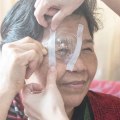
For individuals with disabilities or special needs, the importance of comprehensive eye care services cannot be overstated. Vision health plays a crucial role in overall well-being, impacting daily activities, education, and social interactions. Unfortunately, many people with disabilities face unique challenges that can complicate their access to standard eye care. This makes it essential to understand the specific needs of these individuals and the tailored services available to support them. Individuals with disabilities may experience a range of vision issues, from common refractive errors to more complex conditions such as strabismus or amblyopia.
These challenges can be exacerbated by other health conditions, making regular eye examinations and specialized care vital.
Eye care services
designed for this population often include not only routine vision checks but also adaptive technologies and therapies that cater to their specific requirements. Moreover, the emotional and psychological aspects of vision health are significant for individuals with special needs. Access to appropriate eye care can enhance their quality of life, fostering independence and confidence. By prioritizing tailored eye care services, we can ensure that everyone, regardless of their abilities, has the opportunity to achieve optimal vision health and participate fully in their communities.Types of Eye Care Services Available
When it comes to eye care services for individuals with disabilities or special needs, a variety of specialized options are available to ensure comprehensive vision health.These services cater to unique requirements and can significantly enhance the quality of life for those affected.
Routine Eye Exams
- Regular eye exams are crucial for everyone, but they hold particular importance for individuals with disabilities. These exams help in early detection of vision problems and ensure that any necessary interventions are made promptly.
- Eye care professionals may use specialized equipment and techniques to accommodate patients with mobility issues or communication challenges, ensuring a thorough assessment.
Vision Therapy
- Vision therapy is a personalized program designed to improve visual skills and processing. It is particularly beneficial for individuals with conditions such as strabismus (crossed eyes) or amblyopia (lazy eye).
- This therapy often includes exercises that enhance eye coordination, focusing abilities, and visual perception, making it an essential service for those who struggle with these aspects due to their disabilities.
Low Vision Services
- For individuals who have significant vision impairment that cannot be corrected with standard glasses or surgery, low vision services provide essential support. These services include comprehensive assessments to determine the best assistive devices and strategies for maximizing remaining vision.
- Low vision rehabilitation may involve training on how to use magnifiers, specialized lighting, and other adaptive technologies that can help individuals perform daily tasks more effectively.
By utilizing these specialized services, individuals can achieve better visual outcomes and enhance their overall quality of life.
Accessibility in Eye Care Facilities
Ensuring accessibility in eye care facilities is crucial for individuals with disabilities or special needs. These facilities must comply with the Americans with Disabilities Act (ADA), which sets standards for physical accessibility, ensuring that everyone can receive the eye care they need without barriers.Physical accessibility encompasses various elements, including:- Entrances and Exits: Facilities should have ramps, automatic doors, and clear signage to guide individuals with mobility challenges.
- Waiting Areas: Seating should be arranged to accommodate wheelchairs and other mobility devices, allowing easy access for all patients.
- Examination Rooms: These rooms should be spacious enough to allow for maneuverability and equipped with adjustable examination tables to cater to different needs.
- Restrooms: Accessible restrooms must be available, featuring grab bars and sufficient space for wheelchair users.
Virtual consultations allow individuals who may have difficulty traveling to a facility to receive eye care from the comfort of their homes.In conclusion, creating an accessible environment in eye care facilities is not just about compliance; it’s about fostering an inclusive atmosphere where all individuals feel welcome and can receive the necessary care. By prioritizing ADA compliance and focusing on physical accessibility, eye care providers can significantly improve the experience for patients with disabilities or special needs.
Specialized Eye Care Professionals and Their Roles
When it comes to eye care services for individuals with disabilities or special needs, specialized eye care professionals play a crucial role. These professionals are trained to address the unique challenges faced by patients who may have difficulty communicating their needs or understanding traditional eye care procedures.Optometrists for Disabilities
- Comprehensive Eye Exams: Specialized optometrists conduct thorough eye examinations tailored to the specific requirements of patients with disabilities. They utilize adaptive techniques and tools to ensure accurate assessments.
- Vision Therapy: Many optometrists offer vision therapy programs designed to improve visual skills and processing, which can be particularly beneficial for individuals with developmental disabilities.
- Low Vision Rehabilitation: For patients with limited vision, optometrists provide low vision rehabilitation services, helping them maximize their remaining sight through specialized devices and training.
Ophthalmologists for Special Needs
- Surgical Interventions: Ophthalmologists are equipped to perform surgical procedures that may be necessary for patients with complex eye conditions, ensuring that these interventions are adapted to the patient's specific needs.
- Management of Systemic Conditions: Many individuals with disabilities may have coexisting health issues that affect their eye health.
Ophthalmologists are trained to manage these systemic conditions in conjunction with eye care.
- Collaboration with Other Specialists: Ophthalmologists often work closely with other healthcare providers, including occupational therapists and special education professionals, to create a comprehensive care plan that addresses all aspects of the patient’s well-being.
Technological Advancements in Eye Care for Special Needs Patients
In recent years, technological advancements have significantly transformed the landscape of eye care services for individuals with disabilities and special needs. These innovations not only enhance the quality of care but also improve accessibility and convenience for patients.Assistive Devices for Vision Impairment
- Smart Glasses: These devices integrate augmented reality to assist individuals with low vision, providing real-time information about their surroundings.
- Screen Readers: Software that converts text displayed on a screen into speech, allowing visually impaired users to access digital content easily.
- Magnification Tools: Handheld or electronic magnifiers help individuals with low vision read printed materials or view objects up close.
Telehealth in Eye Care
The rise of telehealth has revolutionized how eye care services are delivered, particularly for those with mobility challenges. Through virtual consultations, patients can receive expert advice and follow-up care without the need to travel.
This is especially beneficial for individuals who may find it difficult to navigate traditional healthcare settings.Telehealth platforms often include features such as:
- Remote Monitoring: Patients can use devices that track their eye health metrics and share this data with their healthcare providers in real-time.
- Virtual Eye Exams: Some conditions can be assessed through online tools, allowing for timely diagnosis and treatment recommendations.
Insurance Coverage and Financial Assistance for Eye Care Services
Accessing eye care services can be challenging for individuals with disabilities or special needs, particularly when it comes to navigating insurance coverage and financial assistance options. Understanding these resources is crucial for ensuring that necessary vision care is not only accessible but also affordable.Insurance Coverage for Eye Care Services
- Many private health insurance plans offer coverage for eye care services, including routine eye exams, glasses, and contact lenses. However, the extent of coverage can vary significantly between plans.
- Individuals should review their policy details to understand what specific vision care services are included and whether there are any limitations or exclusions.
- For those enrolled in Medicare, coverage for eye care services is limited.
While Medicare Part B covers certain eye exams for diabetic patients and those at high risk for glaucoma, it does not typically cover routine vision exams or corrective lenses.
Financial Assistance for Disabilities
- Various organizations and non-profits provide financial assistance specifically aimed at helping individuals with disabilities access necessary eye care services. These programs may offer grants or subsidies to cover the costs of exams, treatments, or eyewear.
- Additionally, some states have programs designed to assist low-income individuals with disabilities in obtaining vision care. These programs often work in conjunction with local health departments or community health centers.
Medicaid Coverage for Vision Care
- Medicaid provides essential coverage for many individuals with disabilities, including some vision care services. However, the specifics can vary by state.
- In many states, Medicaid covers comprehensive eye exams and necessary corrective lenses for eligible individuals.
It is important to check with local Medicaid offices to understand the specific benefits available.
- Some states also offer additional programs that provide enhanced vision benefits beyond standard Medicaid coverage, which can be beneficial for those requiring specialized eye care services.
Common Eye Conditions Among Individuals with Disabilities
Individuals with disabilities often experience a range of common eye conditions that can significantly impact their quality of life. Understanding these conditions is crucial for providing effective eye care services tailored to their unique needs.- Amblyopia: Also known as lazy eye, amblyopia occurs when one eye does not develop proper vision, often due to misalignment or obstruction. Early detection and treatment through specialized vision therapy can help improve visual outcomes.
- Strabismus: This condition involves misalignment of the eyes, which can lead to double vision or depth perception issues.
Eye care services may include corrective lenses, vision therapy, or surgery to realign the eyes.
- Cataracts: Individuals with disabilities may develop cataracts at an earlier age. Regular eye examinations are essential for monitoring and managing this condition, which can be treated effectively through surgical intervention.
- Retinopathy: Common in individuals with diabetes or certain genetic disorders, retinopathy affects the retina and can lead to vision loss. Specialized eye care services focus on early detection and management to preserve vision.
- Glaucoma: This group of eye conditions can damage the optic nerve and lead to blindness if not treated. Regular screenings and pressure management are vital components of care for those at risk.
Tailored eye care services, including occupational therapy and adaptive technologies, can help address these challenges.Overall, recognizing and managing these common visual impairments through specialized eye care services is essential for enhancing the visual health and overall well-being of individuals with disabilities.
FAQs About Eye Care Services for Individuals with Disabilities
When it comes to eye care services for individuals with disabilities or special needs, many questions arise. Here are some frequently asked questions that can help clarify the options available:- What types of eye care services are available for individuals with disabilities?
Eye care services can include comprehensive eye exams, vision therapy, low vision rehabilitation, and specialized eyewear. Many clinics also offer adaptive technology to assist those with visual impairments. - Are there specific accommodations for patients with mobility challenges?
Yes, many eye care facilities are equipped with accessible entrances, waiting areas, and examination rooms. Additionally, some providers offer home visits or telehealth options to ensure that individuals with mobility challenges can receive the care they need. - How can I find an eye care provider experienced in treating patients with special needs?
Look for providers who specialize in vision care for individuals with disabilities.You can check local directories, ask for recommendations from support groups, or consult organizations that focus on disability services.
- Is insurance coverage different for eye care services related to disabilities?
Coverage can vary significantly based on the insurance plan. It’s important to check with your insurance provider to understand what specific eye care services are covered for individuals with disabilities. - What should I expect during an eye exam for someone with special needs?
The exam may be tailored to accommodate the individual’s needs, including longer appointment times and a more relaxed environment. Providers may use specialized equipment and techniques to ensure comfort and accuracy.
Conclusion: The Path Forward in Eye Care for Individuals with Disabilities
In conclusion, the journey towards enhancing eye care services for individuals with disabilities is both crucial and ongoing.Throughout this article, we have explored the various challenges faced by this population and the specialized services that can significantly improve their quality of life. Access to comprehensive eye care is not merely a luxury; it is a fundamental right. Individuals with disabilities often encounter barriers that prevent them from receiving adequate eye examinations and treatments. These barriers can include physical accessibility issues, lack of trained professionals, and insufficient awareness of specific needs. To address these challenges, it is essential for healthcare providers to:
- Implement training programs for eye care professionals that focus on the unique needs of individuals with disabilities.
- Enhance accessibility in clinics and hospitals, ensuring that facilities are equipped to accommodate all patients.
- Promote awareness about available resources and services tailored for individuals with special needs.
As we strive to create a more equitable healthcare system, let us remember that every individual deserves the opportunity to achieve optimal vision health.