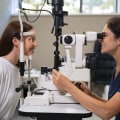
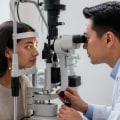
When it comes to maintaining optimal vision and overall eye health, eye care services play a crucial role. Regular eye exams are not just about updating your glasses or contact lenses; they are essential for detecting potential issues that could affect your vision in the long run. Understanding the eye exam process is vital for anyone considering corrective lenses, as it lays the foundation for receiving an accurate prescription tailored to your specific needs. The journey to obtaining a prescription for glasses or contact lenses begins with a comprehensive eye examination conducted by a qualified optometrist or ophthalmologist. During this examination, various tests are performed to assess your visual acuity, eye coordination, and overall eye health.
These assessments help the eye care professional determine whether you need corrective lenses and what type would be most suitable for you. Moreover, the importance of having an up-to-date prescription cannot be overstated. An accurate prescription ensures that you can see clearly and comfortably, whether you're reading a book, working on a computer, or driving. As you navigate through the process of getting your prescription during an eye exam, you'll gain insights into your eye health and the various options available for vision correction, including both glasses and contact lenses.
What to Expect During an Eye Exam
When you visit an eye care professional for an eye exam, you can expect a comprehensive evaluation of your vision and overall eye health. The process typically begins with a preliminary assessment, where the technician or optometrist will ask about your medical history, any current vision problems, and your family history of eye conditions.Following this initial discussion, several tests are performed to assess your vision and eye health:- Visual Acuity Test: This is often the first test conducted.
You will be asked to read letters on a chart from a distance to determine how well you can see at various distances.
- Refraction Assessment: Using a phoropter, the eye care professional will show you different lenses to find the prescription that provides the clearest vision. This is crucial for determining whether you need glasses or contact lenses.
- Eye Health Examination: The doctor will examine the external and internal structures of your eyes using specialized equipment. This may include checking for signs of conditions like glaucoma, cataracts, or macular degeneration.
- Pupil Response Test: The doctor will shine a light in your eyes to check how your pupils respond, which can indicate neurological function.
- Intraocular Pressure Measurement: This test helps assess the pressure inside your eyes, which is important for detecting glaucoma.
Additionally, they may provide recommendations for follow-up visits or further testing if any issues are detected.Overall, understanding what to expect during an eye exam can help alleviate any anxiety and ensure that you receive the best possible eye care services.
Types of Eye Exams for Glasses and Contact Lenses
When it comes to eye care services, understanding the different types of eye exams is crucial for obtaining the right prescription for glasses or contact lenses. Each exam serves a specific purpose and is tailored to meet the unique needs of the patient.Glasses Prescription Exam
A glasses prescription exam is designed to assess your vision and determine the correct lens prescription for eyeglasses. During this exam, an eye care professional will perform a series of tests, including:- Visual Acuity Test: This test measures how well you can see at various distances using an eye chart.
- Refraction Test: Using a phoropter, the doctor will determine your exact prescription by asking you to compare different lens options.
- Eye Health Evaluation: The doctor will examine your eyes for any signs of disease or abnormalities that could affect your vision.
Contact Lens Fitting Exam
A contact lens fitting exam goes beyond a standard vision test. It focuses on finding the right type and fit of contact lenses for your eyes.Key components of this exam include:
- Corneal Measurements: The curvature and size of your cornea are measured to ensure proper lens fit.
- Tear Film Assessment: This test evaluates the quality and quantity of your tears, which is essential for contact lens comfort.
- Trial Lenses: You may be given trial lenses to wear during the appointment, allowing the doctor to assess comfort and vision before finalizing your prescription.
The Role of the Eye Care Professional
When it comes to eye care services, the role of the eye care professional is pivotal in ensuring that patients receive accurate prescriptions for glasses or contact lenses. This process begins with a comprehensive eye examination, during which the professional assesses not only vision acuity but also overall eye health.Optometrists
and
ophthalmologists
play distinct yet complementary roles in this process:
- Optometrists: These professionals are primarily responsible for conducting eye exams, diagnosing vision problems, and prescribing corrective lenses. They utilize various tests to measure how well a patient sees at different distances and to determine the appropriate lens strength.
- Ophthalmologists: As medical doctors specializing in eye care, ophthalmologists can perform surgeries and treat more complex eye conditions.
While they may also conduct eye exams, their focus often leans towards diagnosing and managing diseases that affect vision.
- Patient History: The eye care professional will begin by gathering information about the patient's medical history, including any previous eye issues or family history of eye diseases.
- Visual Acuity Tests: These tests measure how well a patient can see at various distances. The results help determine the need for corrective lenses.
- Refraction Assessment: This involves using a phoropter to find the exact prescription needed for glasses or contact lenses. The professional will ask the patient to compare different lens options to identify which provides the clearest vision.
- Eye Health Evaluation: The professional will examine the internal and external structures of the eyes using specialized equipment to check for any signs of disease or abnormalities.
The Prescription Process Explained
Understanding the prescription process for glasses and contact lenses is essential for anyone seeking eye care services.The journey begins during your eye exam, where an optometrist or ophthalmologist evaluates your vision and overall eye health. This evaluation includes a series of tests to determine your visual acuity and any refractive errors.Once the examination is complete, the eye care professional will write a prescription that includes specific measurements and terminology. Here’s a breakdown of how prescriptions are typically structured:
- Spherical (SPH): This indicates the lens power needed to correct nearsightedness or farsightedness. A negative value (-) signifies nearsightedness, while a positive value (+) indicates farsightedness.
- Cylindrical (CYL): This measures astigmatism, which is an irregular curvature of the eye.
It also includes a value indicating the lens power required to correct this condition.
- Axis: This is measured in degrees and describes the orientation of astigmatism correction. It ranges from 1 to 180 degrees.
- Add: For those who require multifocal lenses, this value indicates the additional magnifying power needed for reading or close-up tasks.
- Base Curve (BC): This measurement is crucial for contact lenses, as it determines how well the lens fits the curvature of your eye.
- Diameter (DIA): Also specific to contact lenses, this measurement refers to the width of the lens.
Understanding these details not only helps you make informed decisions about your eyewear but also enhances your overall experience with eye care services.
Choosing Between Glasses and Contact Lenses
When it comes to eye care services, one of the most significant decisions you will face after receiving your prescription is whether to choose glasses or contact lenses. Each option has its own set of advantages and considerations that can impact your daily life.Factors to Consider
- Comfort: Some individuals find glasses more comfortable, especially if they have sensitive eyes or allergies. Contacts, on the other hand, may require an adjustment period but can offer a more natural field of vision.
- Lifestyle: Your daily activities play a crucial role in your choice. If you lead an active lifestyle or participate in sports, contact lenses may be more suitable as they stay in place and do not fog up.
- Aesthetics: Many people prefer the look of glasses, while others feel that contacts provide a more unobtrusive appearance.
Consider how each option aligns with your personal style.
- Maintenance: Glasses require minimal maintenance—just regular cleaning and occasional adjustments. Contacts need daily care, including cleaning solutions and proper storage.
- Vision Correction: Depending on your specific vision needs, one option may provide better correction than the other. For instance, certain prescriptions may be easier to manage with glasses.
Benefits of Glasses and Contacts
Glasses offer several benefits, including:- Protection: They shield your eyes from dust, debris, and UV rays.
- Easier to wear: No need for direct contact with the eye.
- Cultural statement: They can enhance your style and personality.
- Wider field of vision: Contacts conform to the curvature of your eye, offering a more natural view.
- No fogging: Unlike glasses, contacts won’t fog up in humid conditions or during temperature changes.
- Active lifestyle compatibility: They are less likely to fall off during physical activities.
Frequently Asked Questions About Eye Exams and Prescriptions
When it comes to eye care services, many individuals have questions about the process of getting a prescription for glasses or contact lenses during an eye exam.Here are some frequently asked questions that can help clarify this process:
- What should I expect during an eye exam?
During an eye exam, an optometrist will assess your vision and eye health through various tests. These may include visual acuity tests, refraction assessments, and examinations of the eye's internal and external structures. - How long does an eye exam take?
Typically, an eye exam lasts between 30 to 60 minutes, depending on the complexity of your needs and whether additional tests are required. - Will I receive a prescription for glasses or contact lenses?
Yes, if the examination indicates that you need vision correction, the optometrist will provide you with a prescription for either glasses or contact lenses. - How often should I get my eyes examined?
It is generally recommended to have an eye exam every one to two years. However, individuals with specific conditions or those over 60 may need more frequent evaluations. - Can I get a prescription for contacts if I already have one for glasses?
Yes, but you will need a separate fitting for contact lenses, as they sit directly on the eye and require different measurements.
Conclusion: The Importance of Regular Eye Exams
In conclusion, the significance of regular eye exams cannot be overstated when it comes to maintaining optimal vision health.These exams are not merely a routine check-up; they are a crucial component of comprehensive eye care services that can detect potential issues before they escalate into serious problems.During an eye exam, trained professionals assess not only your vision but also the overall health of your eyes. This process can uncover conditions such as glaucoma, cataracts, and even systemic diseases like diabetes and hypertension that may manifest through changes in your vision. By prioritizing regular visits to your eye care provider, you are taking proactive steps to safeguard your eyesight.
Key Benefits of Regular Eye Exams
- Early Detection: Identifying eye conditions early can lead to more effective treatment options.
- Vision Correction: Regular exams ensure that your prescription for glasses or contact lenses is up-to-date, enhancing your daily life.
- Overall Health Monitoring: Eye exams can reveal signs of other health issues, allowing for timely intervention.
For children, early detection is equally important; regular eye exams can help identify vision problems that may affect learning and development.In summary, incorporating regular eye exams into your health routine is essential for maintaining vision health and overall well-being. By utilizing eye care services, you empower yourself with the knowledge and tools needed to protect one of your most valuable senses—your sight.