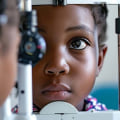
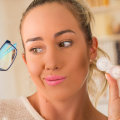
In today's fast-paced world, eye care services play a crucial role in maintaining our overall vision health. Regular eye examinations and timely updates to corrective lenses are essential components of a comprehensive eye care routine. Many individuals underestimate the importance of these services, often waiting until they experience discomfort or vision changes before seeking help. However, proactive engagement with eye care professionals can significantly enhance not only visual acuity but also quality of life. Understanding the significance of eye care extends beyond just obtaining glasses or contact lenses.
It encompasses a holistic approach to vision health that includes regular check-ups, screenings for eye diseases, and personalized advice on how to protect and preserve eyesight. By prioritizing these services, individuals can detect potential issues early on, ensuring that their eyes remain healthy and functional for years to come. As we delve deeper into the topic of how often one should update their glasses or contact lenses, it is essential to recognize that the frequency of these updates is influenced by various factors, including age, lifestyle, and existing vision conditions. By understanding the nuances of eye care services, readers will be better equipped to make informed decisions about their vision health and the necessary steps to take for optimal eye care.
The Importance of Regular Eye Exams
Regular eye exams are a fundamental aspect of eye care services that play a crucial role in maintaining optimal vision and overall eye health. These exams are not just about updating your prescription for glasses or contact lenses; they are essential for detecting potential issues before they become serious problems.Frequency of Eye Exams:
The recommended frequency for eye exams can vary based on age, health status, and risk factors.Generally, adults should have an eye exam every one to two years, while children may need more frequent assessments as their vision develops. Those with existing eye conditions or a family history of eye diseases may require annual check-ups.
Benefits of Regular Eye Exams:
- Early Detection: Regular exams can identify early signs of conditions such as glaucoma, cataracts, and macular degeneration, allowing for timely intervention.
- Vision Changes: As we age, our vision can change. Routine exams help track these changes and ensure that your prescription is up to date.
- Overall Health Monitoring: Eye exams can reveal systemic health issues like diabetes and hypertension, making them an important part of your overall health care.
- Customized Eye Care: An eye care professional can provide personalized recommendations based on your specific needs, including lifestyle adjustments and protective measures.
Recommended Frequency for Updating Glasses and Contact Lenses
When it comes to eye care services, understanding the recommended frequency for updating your glasses and contact lenses is crucial for maintaining optimal vision and eye health.The general guideline suggests that adults should have their vision checked every one to two years, but specific recommendations can vary based on individual circumstances.How Often to Get New Glasses For most adults, if you notice changes in your vision, such as difficulty reading small print or experiencing headaches after prolonged screen time, it may be time to schedule an eye exam. Typically, if your prescription has changed significantly, you should consider getting new glasses. Additionally, if your current frames are damaged or no longer fit well, replacing them sooner is advisable.Contact Lens Replacement Frequency Contact lenses come with specific replacement schedules that depend on the type of lenses you use. Daily disposable lenses should be replaced every day, while bi-weekly or monthly lenses require replacement according to their designated schedule.
It’s essential to follow these guidelines to prevent eye infections and ensure comfort. Regular check-ups with your eye care professional can help determine if your current lens type is still suitable for your lifestyle.Updating Eyewear Based on Lifestyle and Age Your lifestyle and age also play significant roles in how often you should update your eyewear. For instance, individuals who spend long hours in front of screens may need more frequent updates due to digital eye strain. Similarly, children and teenagers may require more frequent adjustments as their eyes develop and change rapidly during these formative years. In summary, while the general recommendation is to have an eye exam every one to two years, personal factors such as age, lifestyle, and changes in vision should guide how often you update your glasses or contact lenses.
Regular consultations with an eye care professional will ensure that you maintain the best possible vision and eye health.
Factors Influencing the Need for New Eyewear
When considering how often to update your eyewear, several factors come into play that can significantly influence your vision needs. Understanding these factors can help you make informed decisions about your eye care services.Lifestyle Impact on Vision
Your daily activities can greatly affect how often you need new glasses or contact lenses. For instance, if you work in front of a computer for extended periods, you may experience digital eye strain, which can necessitate more frequent updates to your prescription. Additionally, if you engage in sports or other physical activities, you might require specialized eyewear that accommodates these demands.Age-Related Vision Changes
As we age, our vision naturally changes.Conditions such as presbyopia, which typically begins in the early 40s, can lead to a need for reading glasses or multifocal lenses. Regular eye exams become increasingly important as you age to monitor these changes and adjust your eyewear accordingly.
Specific Vision Conditions
If you have specific vision conditions such as astigmatism, myopia, or hyperopia, the frequency of updating your eyewear may vary. These conditions can change over time due to various factors including health changes or medication side effects. Regular consultations with your eye care professional will help ensure that your prescription remains accurate.In summary, the need for new eyewear is influenced by a combination of lifestyle choices, age-related changes, and specific vision conditions.Staying proactive about your eye care services and scheduling regular eye exams will help you maintain optimal vision and comfort.
Signs You Need New Glasses or Contact Lenses
Recognizing the signs that you need new glasses or contact lenses is crucial for maintaining optimal vision and overall eye health. Here are some common indicators that it may be time to update your eyewear:- Frequent Headaches: If you find yourself experiencing regular headaches, especially after reading or using a computer, it could be a sign that your prescription is no longer adequate.
- Blurred or Double Vision: Difficulty seeing clearly, whether at a distance or up close, is a strong indication that your vision has changed. This can manifest as blurred or double vision.
- Eye Strain: If your eyes feel fatigued or strained after short periods of reading or screen time, it may be time to reassess your prescription.
- Difficulty with Night Vision: Struggling to see well in low-light conditions can indicate that your lenses are not providing the necessary correction.
- Changes in Color Perception: If you notice that colors appear dull or different than they used to, this could signal a need for a new prescription.
- Dryness or Discomfort: If your contacts feel uncomfortable or cause dryness, it might be time to switch to a different type of lens or replace them more frequently.
- Increased Sensitivity to Light: If you find yourself becoming more sensitive to bright lights while wearing contacts, this could indicate that your lenses are no longer suitable.
The Role of Technology in Eye Care Services
In recent years, the field of eye care services has undergone a significant transformation due to advancements in technology.These innovations not only enhance the accuracy of eye examinations but also improve the overall experience for patients seeking eyewear solutions.
Advancements in Eyewear
Modern eyewear options have evolved far beyond traditional glasses and contact lenses. Today, patients can choose from a variety of high-tech solutions that cater to their specific needs:- Blue light blocking lenses: With the rise of digital devices, these lenses help reduce exposure to harmful blue light, which can contribute to digital eye strain.
- Progressive lenses: These lenses offer a seamless transition between different vision zones, making them ideal for individuals with presbyopia.
- Smart glasses: Integrating technology directly into eyewear, smart glasses can provide augmented reality experiences and even health monitoring features.
Digital Eye Strain Solutions
The increasing use of screens has led to a surge in cases of digital eye strain, prompting eye care professionals to seek effective solutions. Some of the most notable strategies include:- Regular eye exams: Utilizing advanced diagnostic tools, eye care services can detect early signs of strain and recommend appropriate interventions.
- Ergonomic adjustments: Educating patients on proper screen positioning and lighting can significantly reduce discomfort.
- Vision therapy: Tailored exercises designed to improve visual skills and alleviate strain are becoming more common in treatment plans.
Frequently Asked Questions About Eye Care Services and Eyewear Updates
When it comes to eye care services, many individuals have questions about how often they should update their eyewear, including glasses and contact lenses.Here are some common queries and their answers:
- How often should I get my eyes examined? It is generally recommended to have an eye exam every one to two years, depending on your age, health, and vision changes. Regular check-ups help ensure that any changes in your vision are promptly addressed.
- When should I replace my glasses? If you notice any changes in your vision, such as blurriness or difficulty focusing, it may be time to update your prescription. Additionally, if your glasses are scratched or damaged, replacing them can improve your overall visual comfort.
- How frequently should I change my contact lenses? The frequency of changing contact lenses depends on the type you use. Daily disposables should be discarded after one use, while bi-weekly or monthly lenses need to be replaced according to the manufacturer's guidelines.
Always consult with your eye care professional for personalized recommendations.
- What are some tips for maintaining my eyewear? To extend the life of your glasses and contacts, consider the following tips:
- Clean your glasses regularly with a microfiber cloth and lens cleaner.
- Avoid exposing your eyewear to extreme temperatures.
- Store your glasses in a protective case when not in use.
- Follow proper hygiene practices when handling contact lenses, including washing your hands before insertion or removal.
Conclusion: Prioritizing Your Eye Health with Regular Updates
In conclusion, prioritizing your eye health through regular updates to your glasses and contact lenses is essential for maintaining optimal vision and overall well-being. As we have discussed, the frequency of these updates can vary based on individual needs, but adhering to a routine eye examination schedule is crucial. Regular visits to eye care services not only help in identifying changes in your vision but also allow for timely adjustments to your prescription. Here are some key takeaways:- Annual Eye Exams: It is generally recommended to have an eye exam at least once a year, even if you feel your vision is stable.
- Changes in Vision: If you notice any changes in your eyesight, such as blurriness or difficulty focusing, seek an appointment with your eye care professional promptly.
- Age Considerations: As you age, the likelihood of developing vision problems increases, making regular check-ups even more critical.
- Contact Lens Wearers: Those who wear contact lenses should consider updating their lenses every 1-2 years, depending on their eye health and lifestyle.
Remember, investing in regular updates for your glasses and contact lenses is an investment in your quality of life. Don't hesitate to reach out to your local eye care services for guidance tailored to your specific needs.